On Fresh Shell Beans
Plucking fresh beans from their pods has its own contemplative charm, but the real prize is in the pot.


We once had the privilege to sample fresh, immature Sichuan pepper berries. Our realtor, George, had been taking us to see houses all over Portland in a boxy Scion. During our travels, we mentioned that we were food writers. The next time we met to go house hunting, he brandished an envelope containing freshly picked Sichuan pepper from his backyard:
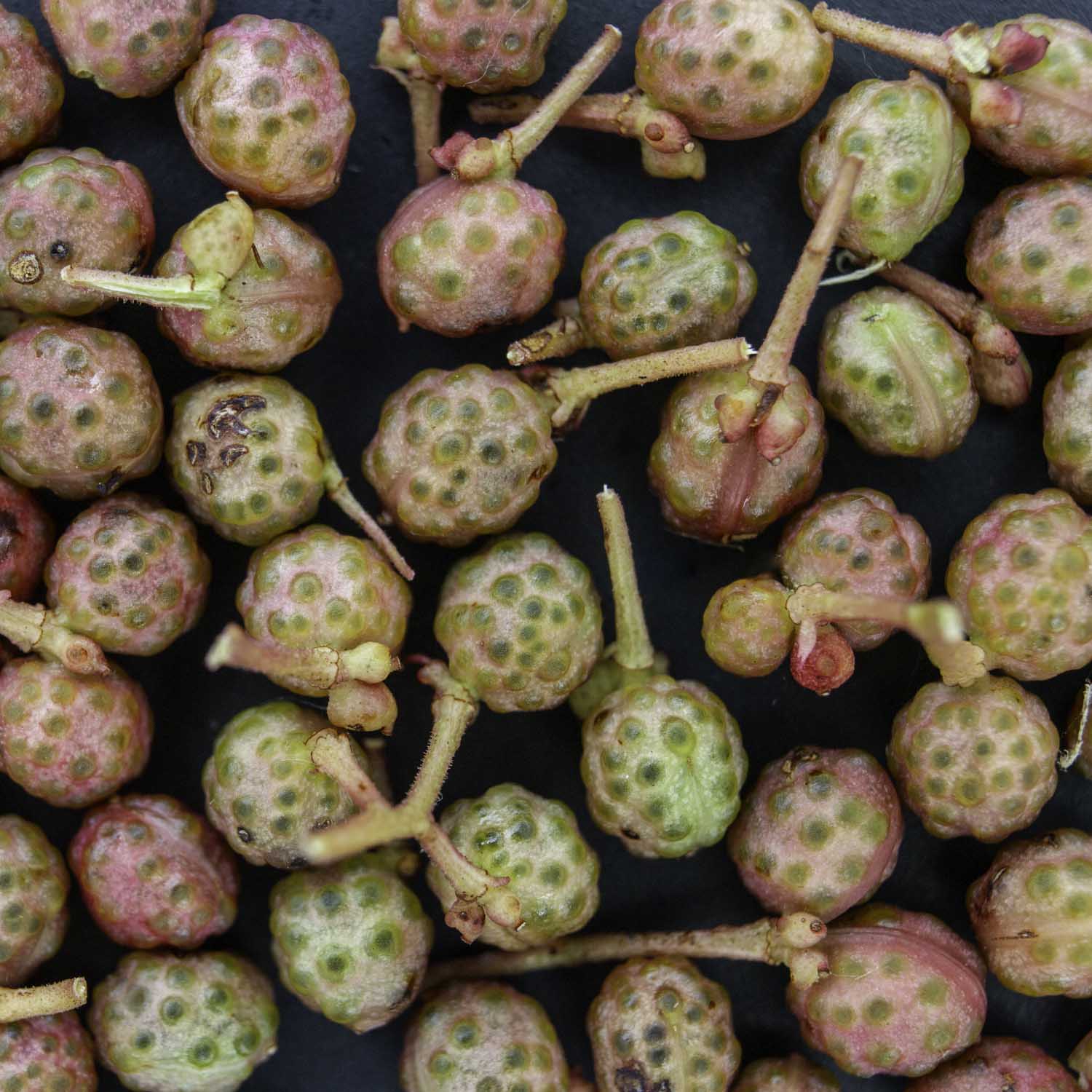
The small berries were off white with a vaguely pinkish hue, studded all over with tiny green bumps. I’m not sure if they were immature, or simply a different species than the red and green varieties that are typically dried and sold. George encouraged us to eat a berry, assuring us that it was a memorable sensory experience. Popping one into my mouth, my tastebuds suffered what can only be described as a neurochemical assault. The flavor of the fresh berries was overwhelmingly bright, citrusy, and buzzy. Our tongues were completely numb and our mouths watered uncontrollably for several minutes. The flavor was an order of magnitude stronger than that of the sad, dried Sichuan pepper languishing on our spice shelf. The intense tingling subsided after a few minutes, but the numbness lingered for at least half an hour.
The chemical responsible for the tingly sensation—sanshool, or hydroxy-alpha sanshool more specifically—was isolated in the 1950s. Unlike chiles, mustard, and menthol, which activate our sensory receptors associated with pain (aka nocireceptors), sanshool interacts with receptors that perceive light touch. In fact, scientists have managed to nail down the perceived vibratory frequency of the tingling sanshool provokes at 50 Hertz. The end result is aptly summed up by Harold McGee in On Food and Cooking: “Sanshools appear to act on several different kinds of nerve endings at once, induce sensitivity to touch and cold in nerves that are ordinarily nonsensitive, and so perhaps cause a kind of general neurological confusion.”
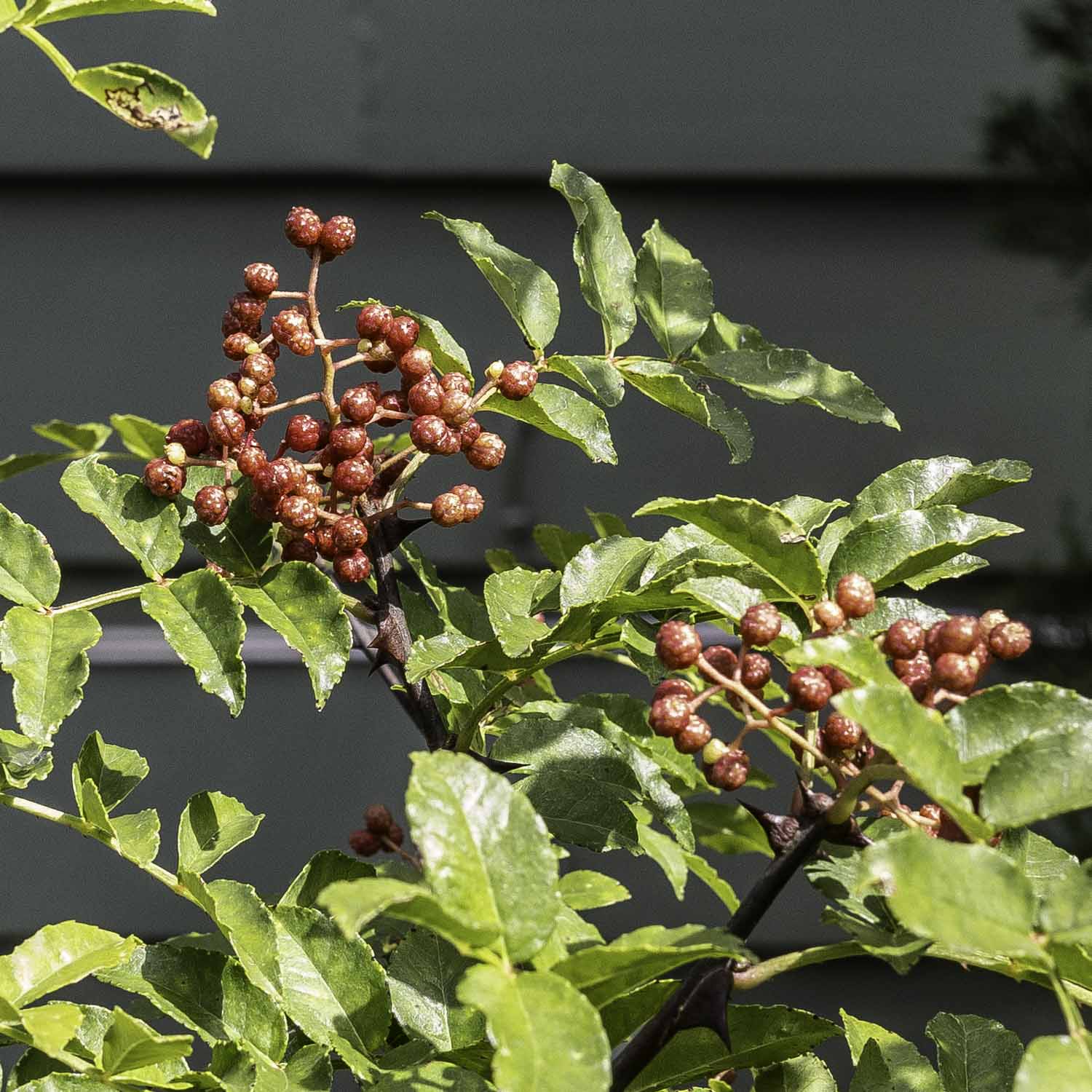
Encountering and consuming the fresh form of this spice gave us a newfound appreciation for how most of the flavor compounds we enjoy are often the result of plants evolving over time to defend themselves. It’s relatively easy to grasp this on a theoretical level, but eating fresh Sichuan pepper berries was a visceral demonstration. If we were herbivores browsing one of these trees looking for sustenance, one taste of the berries would send us packing.
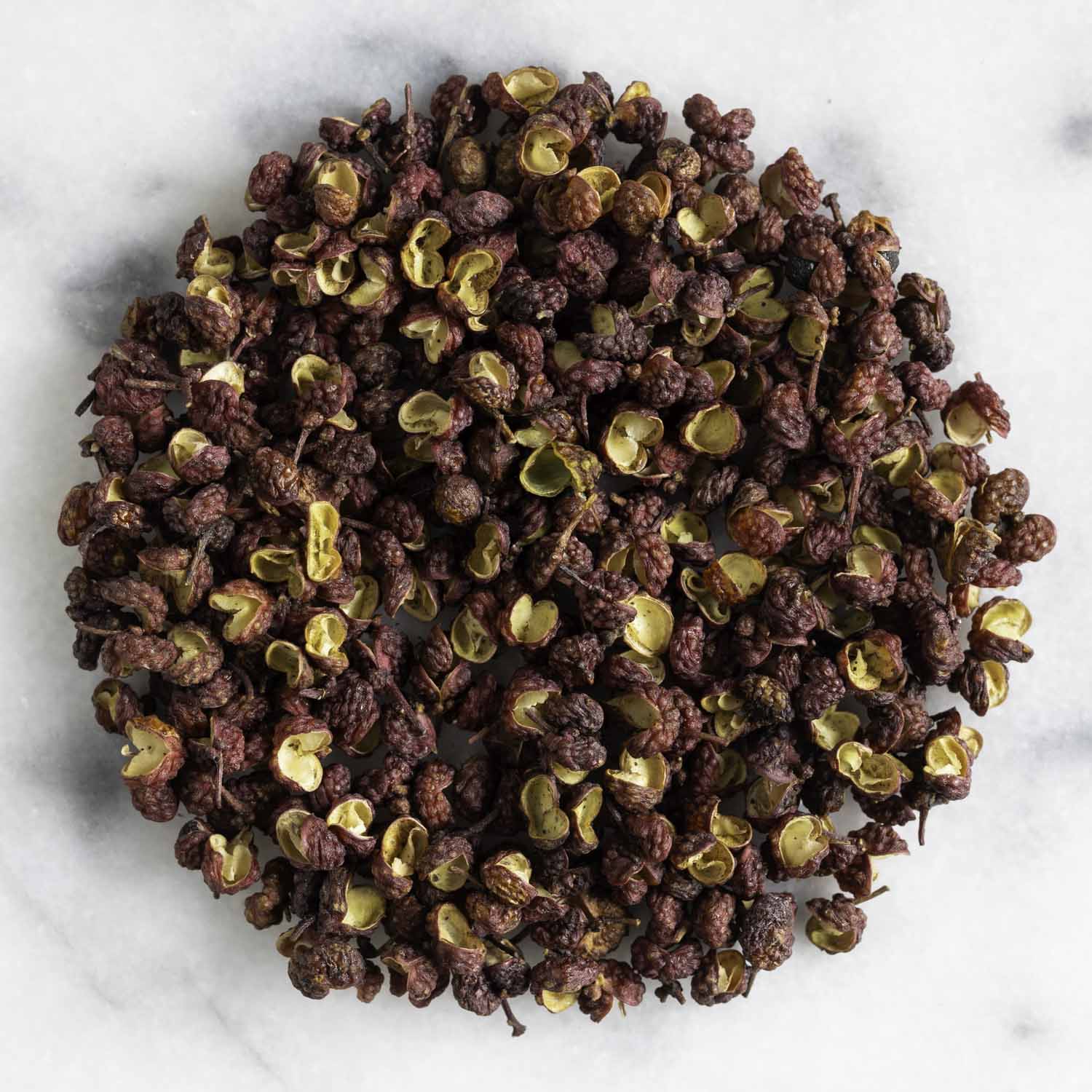
The berries, which must be picked by hand, are slowly dried, which causes them to open up or “flower,” which is why they are called “flower pepper” (hua jiao) in Sichuanese. Once open, the small black seeds are exposed and fall out, though lower quality Sichuan pepper may still contain some seeds (they’re relatively innocuous, but remove them if you can). Small stems are also common to find. They are very thin and not worth the trouble of picking out.
Red Sichuan pepper is an essential ingredient in many dishes, as well as some of our most cherished condiments. The pepper is usually toasted and ground or added whole to infuse hot oil. Combined with dried chiles, they give classic mala (spicy and numbing) flavor to dishes like mapo dofu, Chongqing chicken, and hot pot. Ground Sichuan pepper adds its tingly goodness to Laoganma chili crisp, an evergreen presence in our cupboard.
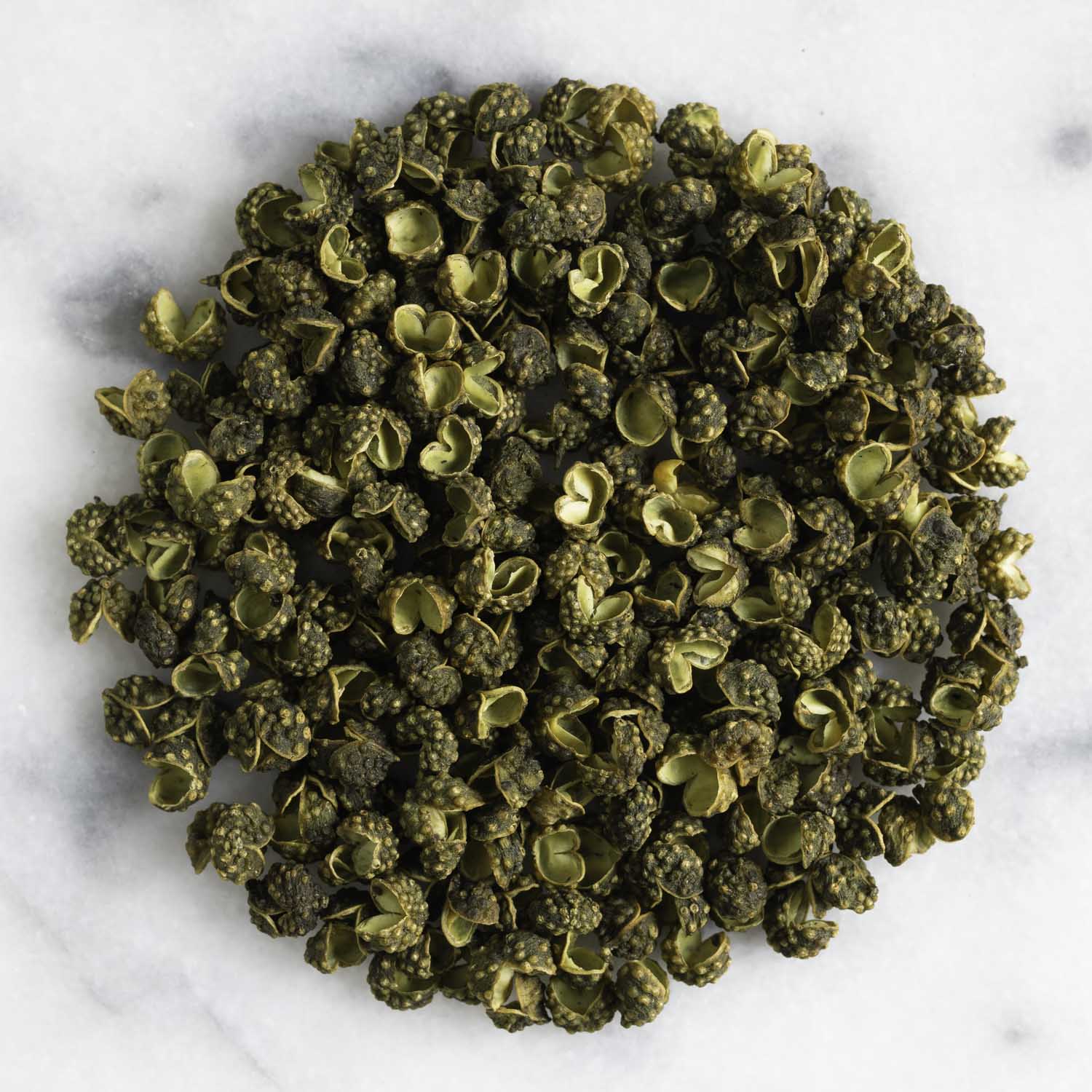
Green Sichuan pepper is increasingly available from online sources. The green variety has a lemony flavor and an even greater tingly effect. (In case you’re wondering, it’s actually harvested from a different species of tree.)
During the run-up to publishing the 2019 edition, we were introduced to high-quality, minimally-processed Sichuan pepper by the folks at Mala Market, who claim to be the first company to legally import the spice without a heat-treating step. (For almost 40 years, the USDA claimed that Sichuan pepper may carry citrus canker, a bacterial infection that poses a threat to citrus crops. We now know that citrus canker is completely unrelated to the fungal disease that afflicts Sichuan pepper trees.)
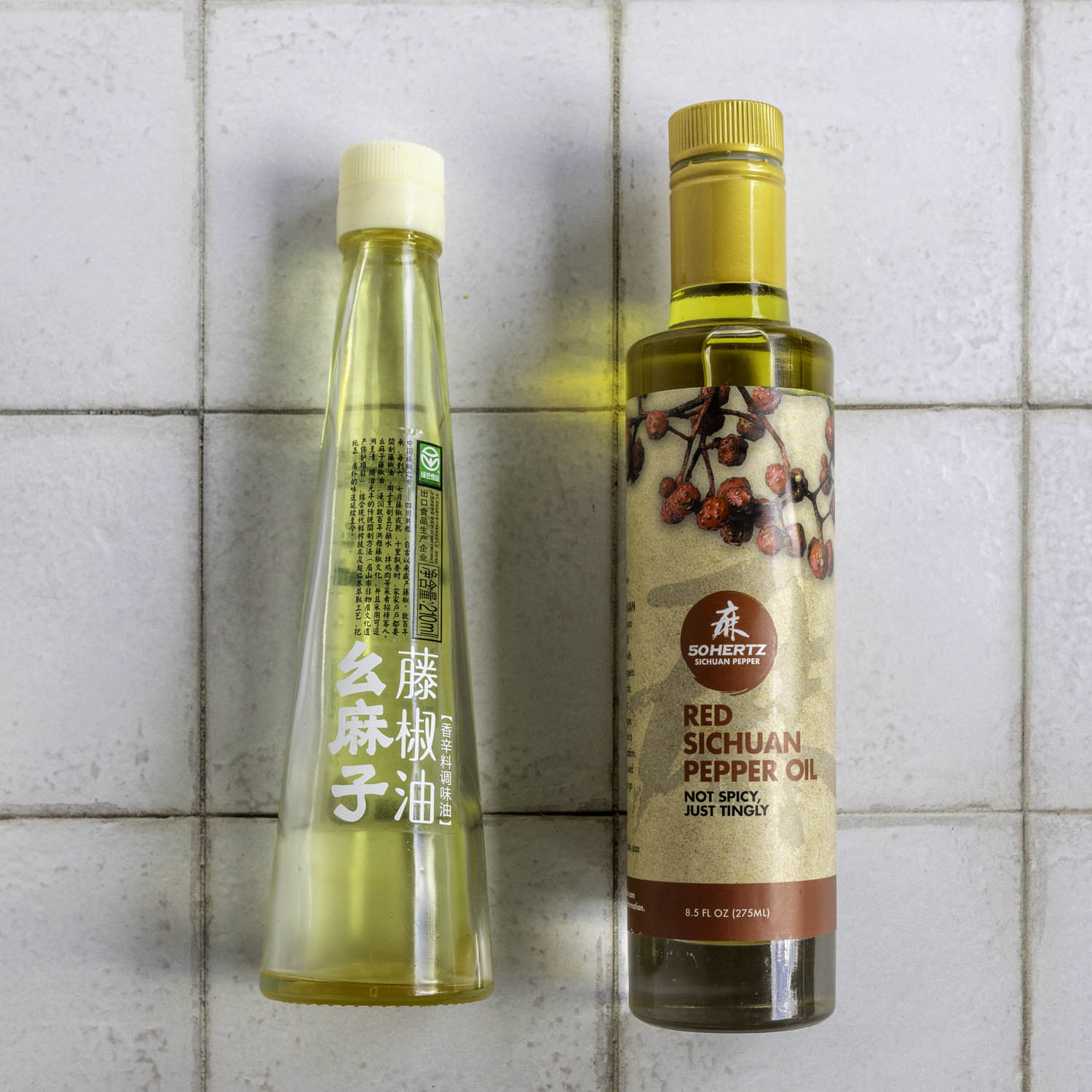
After publishing the 2019 Joy, we had the pleasure of meeting Yao Zhao, “Chief Tingle Officer” of 50 Hertz Foods, who has been importing high-quality Sichuan pepper and Sichuan pepper oil since 2020. The oil, especially when infused with the green variety of pepper, is a revelation. We typically add a (very judicious!) drizzle to smacked cucumber salad, whole steamed fish, cold tofu dishes, and stir-fries that need a tingly and bright lift. Yao recommends finishing a wide variety of dishes with this pungent oil, including arrabiata sauce, mushroom pasta dishes, and paella.
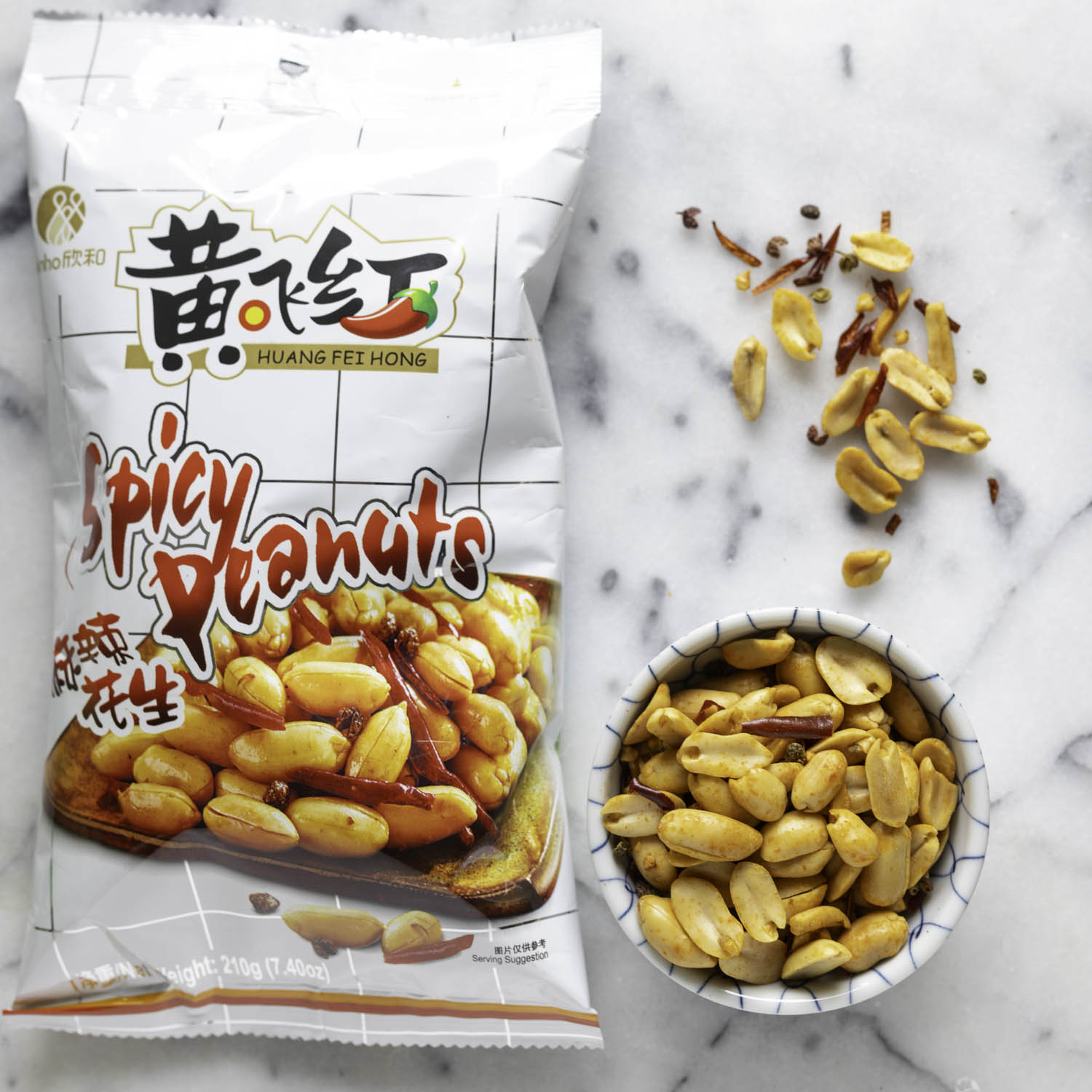
Finally, we must recommend these peanuts to anyone who enjoys mala-flavored foods. They’re available from Amazon and other online retailers, but H Mart, 99 Ranch, and other brick-and-mortar Asian markets are likely to have them at a more reasonable price.
John Becker, Irma’s great-grandson, is the fourth generation co-author and steward of the Joy of Cooking. John has a background in literature, research, and critical writing. Influenced by his father Ethan’s improvisational style and his mother Joan’s love of international foods and spices, John started experimenting in the kitchen at a young age, whether in his mother’s Portland, Oregon condo or at the Becker family home in Cincinnati, Ohio. Many decades later, he continues to revisit Joy’s classic dishes while exploring new recipes, ingredients, and ways of thinking about home cooking.
Things that are true about John





Plucking fresh beans from their pods has its own contemplative charm, but the real prize is in the pot.
Ten types, hundreds of cultivars, one love: a primer for the garlic-curious.