Half Sour Pickles
Six ingredients, minimal prep, patience, and an assist from lactic acid bacteria.
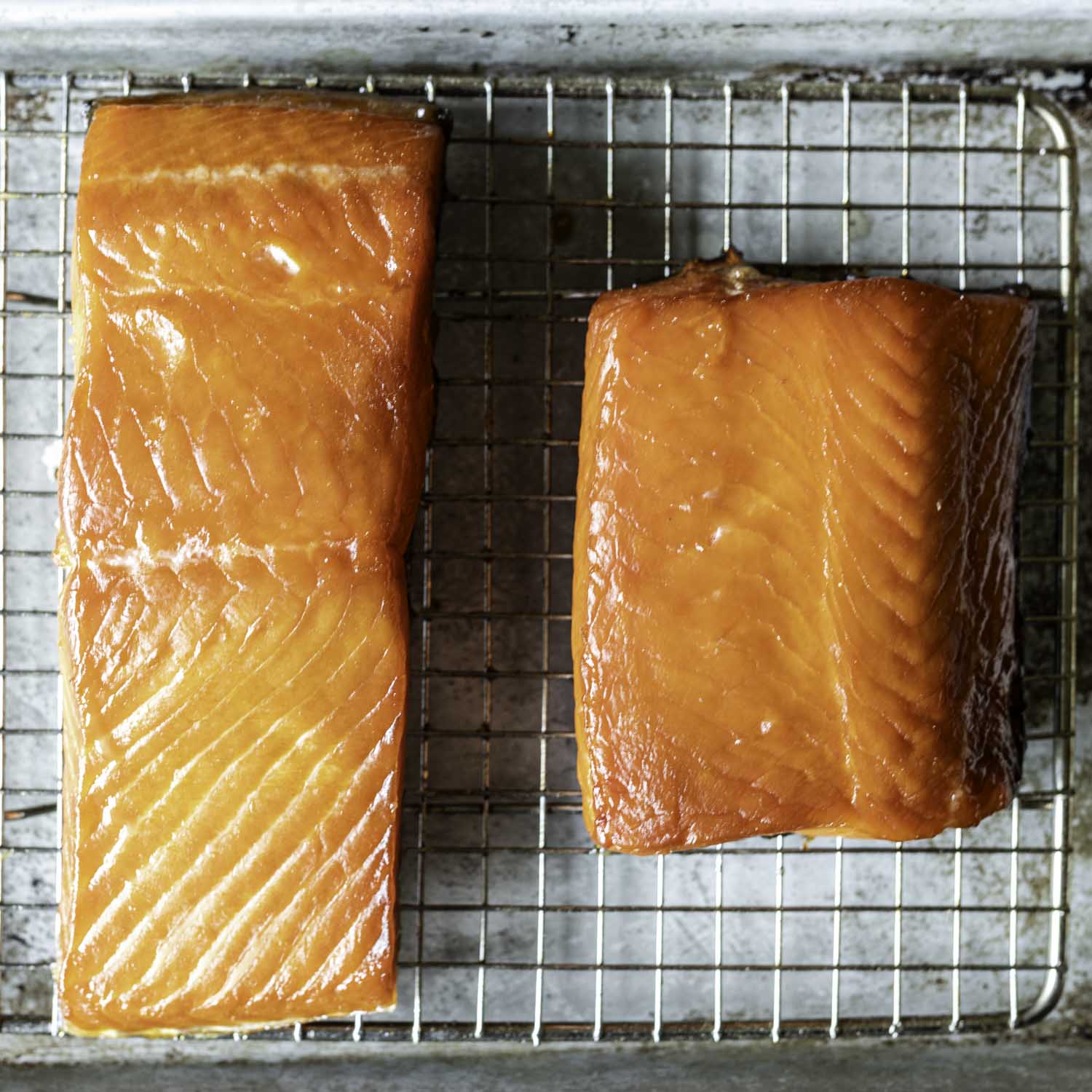
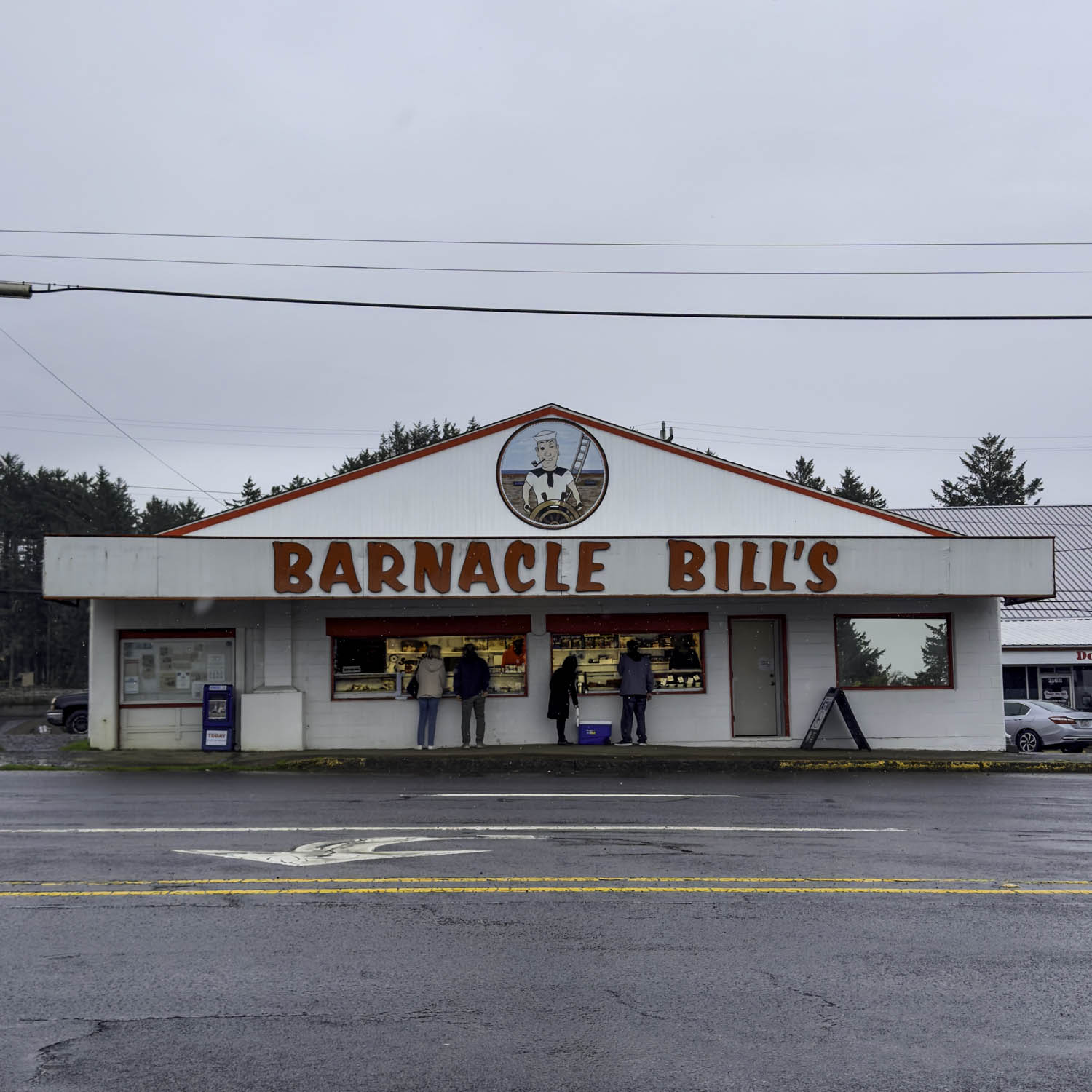
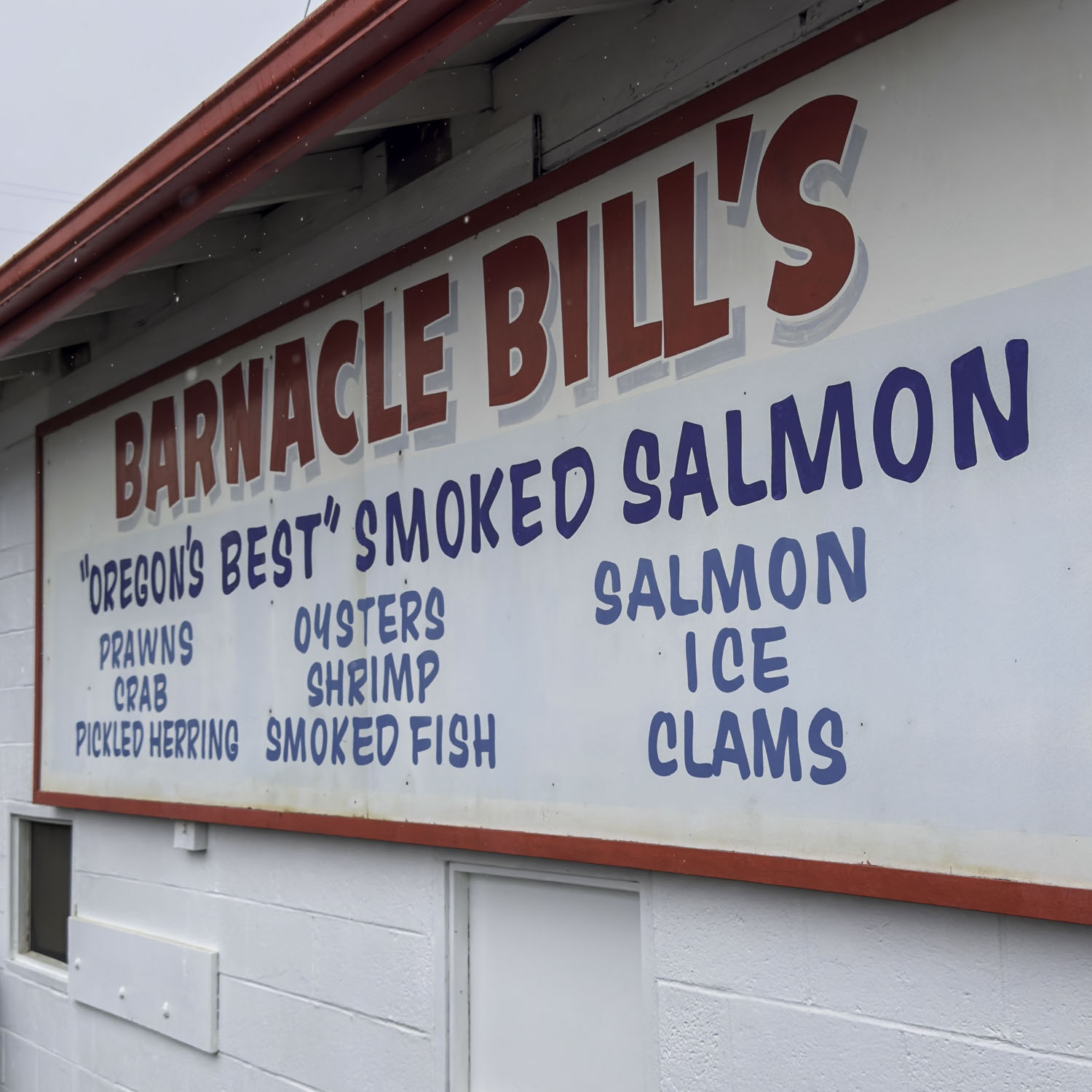
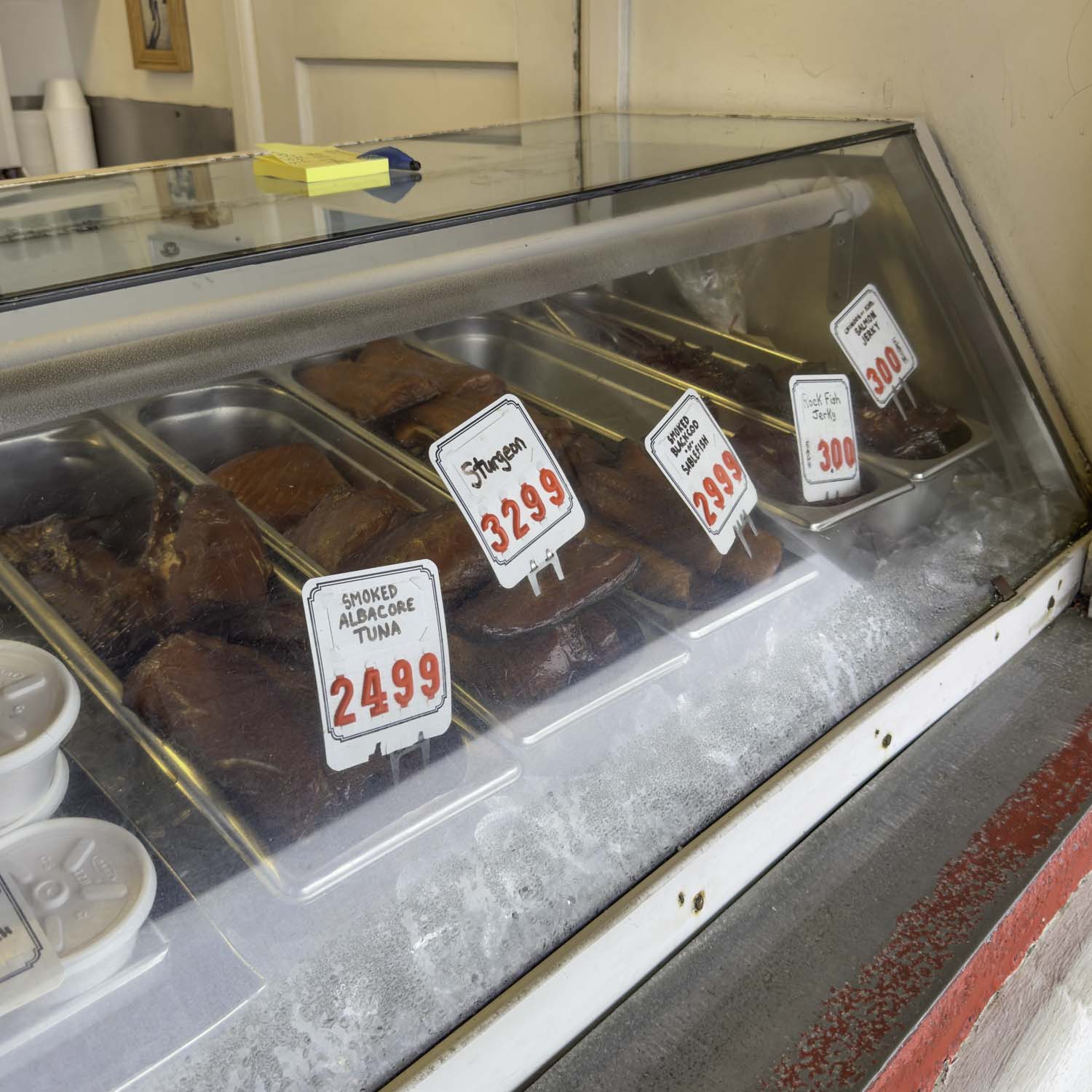
Barnacle Bill’s Seafood Market, located in the Oceanlake neighborhood of Lincoln City, Oregon, has a special significance for us. For decades, my father Ethan and I made the drive down from Portland to purchase their outstanding smoked salmon. Trekking down there was the only choice because, for many years, they wouldn’t ship the salmon or take payment over the phone. (Thanks to the hard work of Sean Edmunds, the third generation to run this family business, purchasing and shipping their salmon these days is very easy.)
Ethan’s history with Barnacle Bill’s smoked salmon began in the 1960s, when he tagged along with his brother Mark on a journey down the Oregon coast. Mark was doing tide pool field research for an experimental embryology lab at the University of Oregon Medical School (now OHSU). In general, Dad has an old-fashioned, pre-overnight-shipping Midwestern attitude about seafood. So it’s actually quite funny that Mark—the older, crunchy, Reed College-graduate brother—thought he could just hand him a sea urchin and consider lunch solved. I guess it’s no surprise that an Ohio boy found sea urchin gonads unpalatable in the 1960s. In any case, I can imagine Mark handing an urchin to Dad with a mischievous smile and the string of incredulous questions and insults that followed.
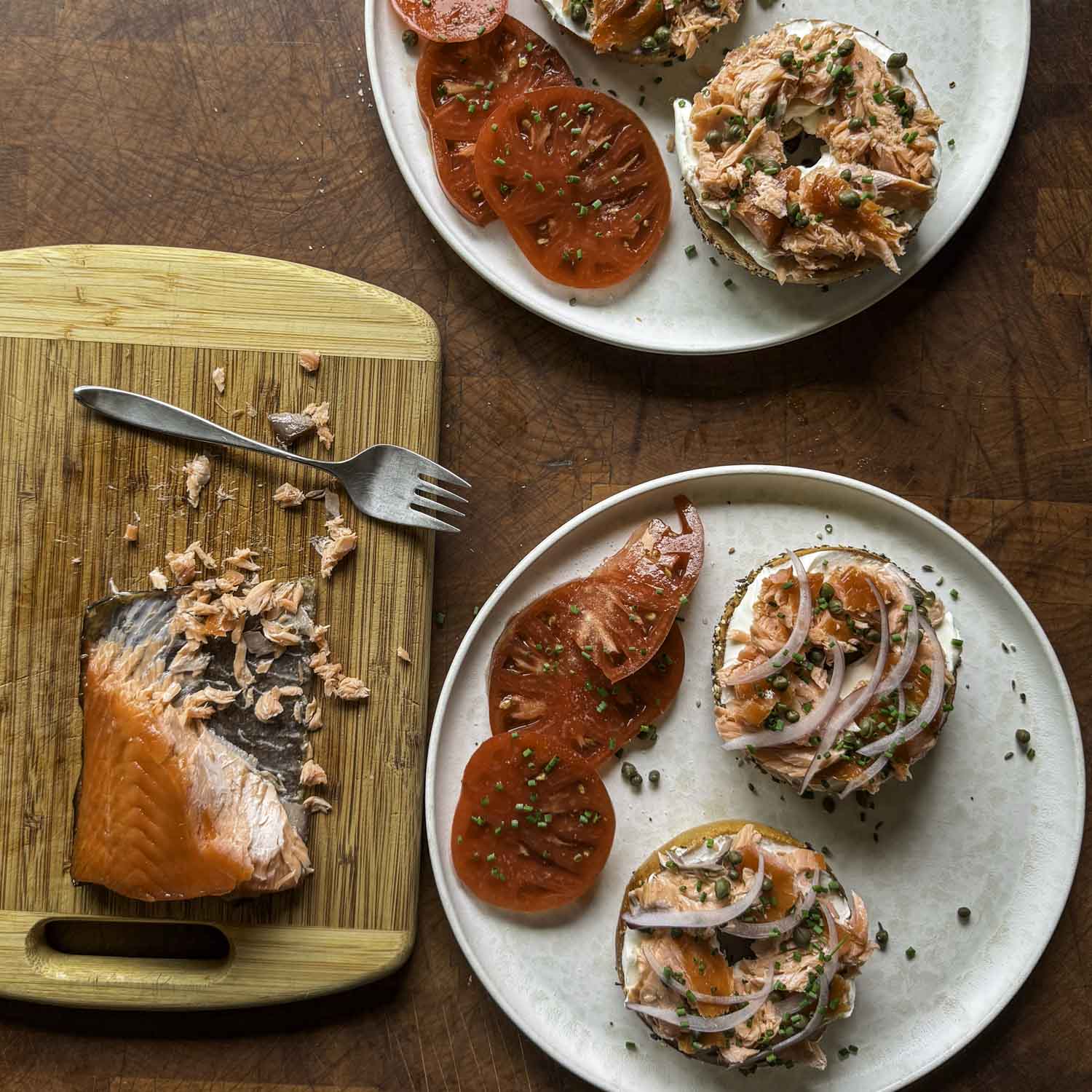
Luckily for all of us, Mark backed down and agreed to stop in Lincoln City for something to eat. Ethan was introduced to the smoked salmon at Barnacle Bill’s, and it remained a coveted delicacy, purchased in person and shipped to Ohio (and then Tennessee) at great expense for New Year’s Eve, Christmas, and other special occasions. I remember several celebratory nights when it was served alongside caviar and embellished with the same accompaniments: petite slices of pumpernickel, herbed sour cream, minced red onion, chopped hard-boiled egg, and lemon wedges. Such treatment seems a little odd in retrospect, but Chinook salmon is a rich fish that deserves to be savored. Osetra from the Caspian it is not, but treating it as such is kind of a genius move.
Since most of us don’t have a Barnacle Bill’s nearby, you can easily make your own if you have a smoker or a charcoal grill. If you cannot find Chinook (king) salmon, try using farmed salmon, which has a high fat content. (Coho, sockeye, and leaner varieties of wild salmon will work, but they will have a drier texture.) Or, if you’re not totally set on salmon, just substitute black cod (a.k.a. sablefish), trout, or sturgeon.



Combine in a medium bowl:
4 cups cool water
1/2 cup packed brown sugar
1/4 cup pickling or table salt or 1/2 cup Diamond kosher salt
Whisk until the salt and sugar are dissolved. Use fish tweezers or a clean pair of pliers to remove any bones from:
2 pounds skin-on salmon fillets
Place the salmon in a glass, enamel, or stainless steel pan just large enough to hold it. Alternatively, place in a 1-gallon heavy-duty ziptop bag and place the bag in a bowl in case of leakage. Pour the brine over the salmon, cover the pan or seal the bag, and refrigerate for 8 hours. If the salmon is not completely submerged in the brine, turn it occasionally. When finished brining, pat the salmon dry and place it skin side down on a rack and refrigerate uncovered until dry to the touch, 8 to 12 hours.
Heat a smoker or grill set up for indirect cooking to 200°F (preferably with a water pan). Add to the coals:
1 small chunk alder, apple, pecan, maple, or other hard wood
Place the salmon on the cooler side of the smoker or grill, skin side down.

Smoke for 45 minutes, then, if desired, baste the fish lightly with:
(Maple syrup or warmed honey)
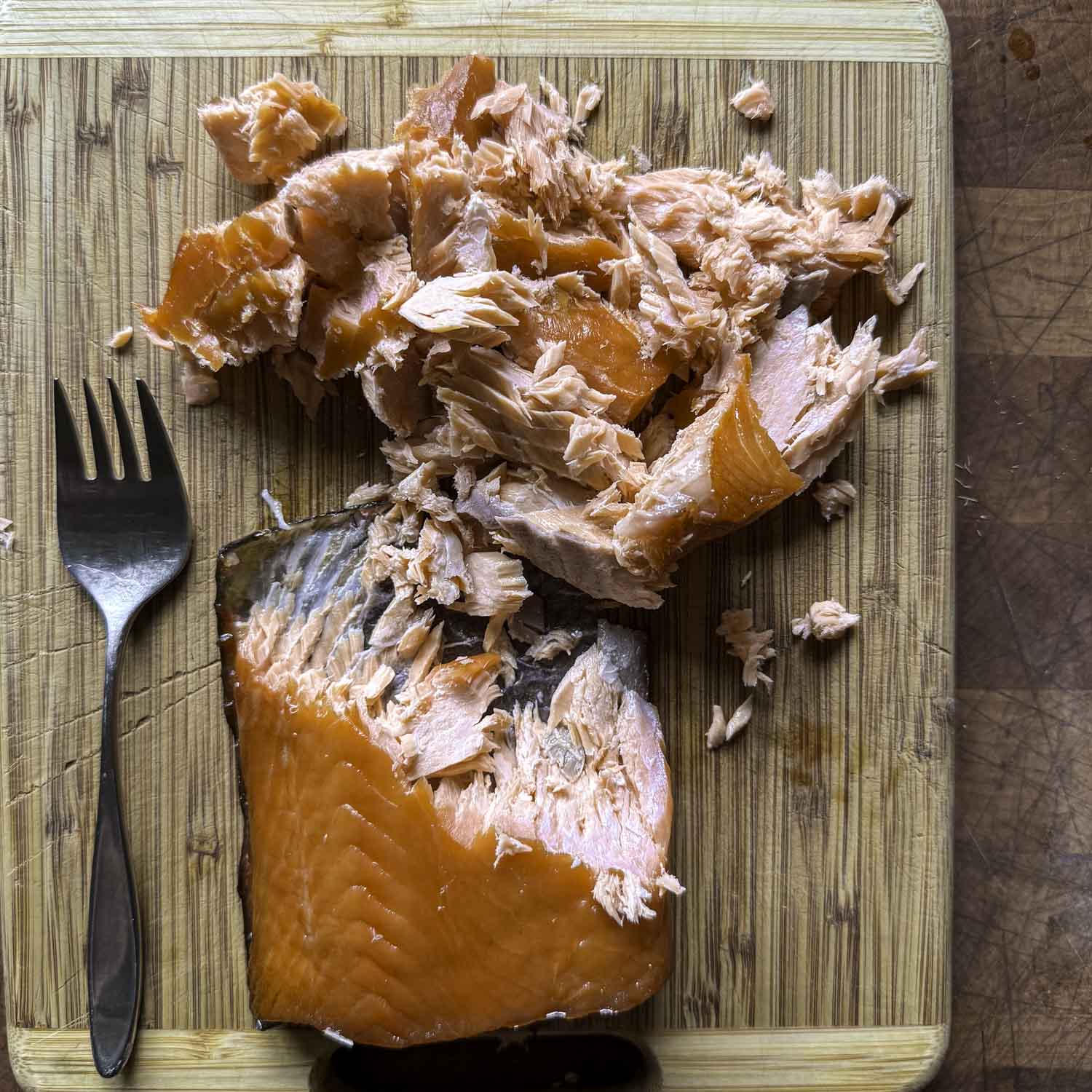
Continue to smoke, basting every 15 minutes with more syrup, if using, until the internal temperature of the fish reaches 145°F, no more. Remove the fish from the smoker and let cool completely. Wrap tightly and refrigerate for up to 10 days or vacuum-seal and freeze for up to 6 months.
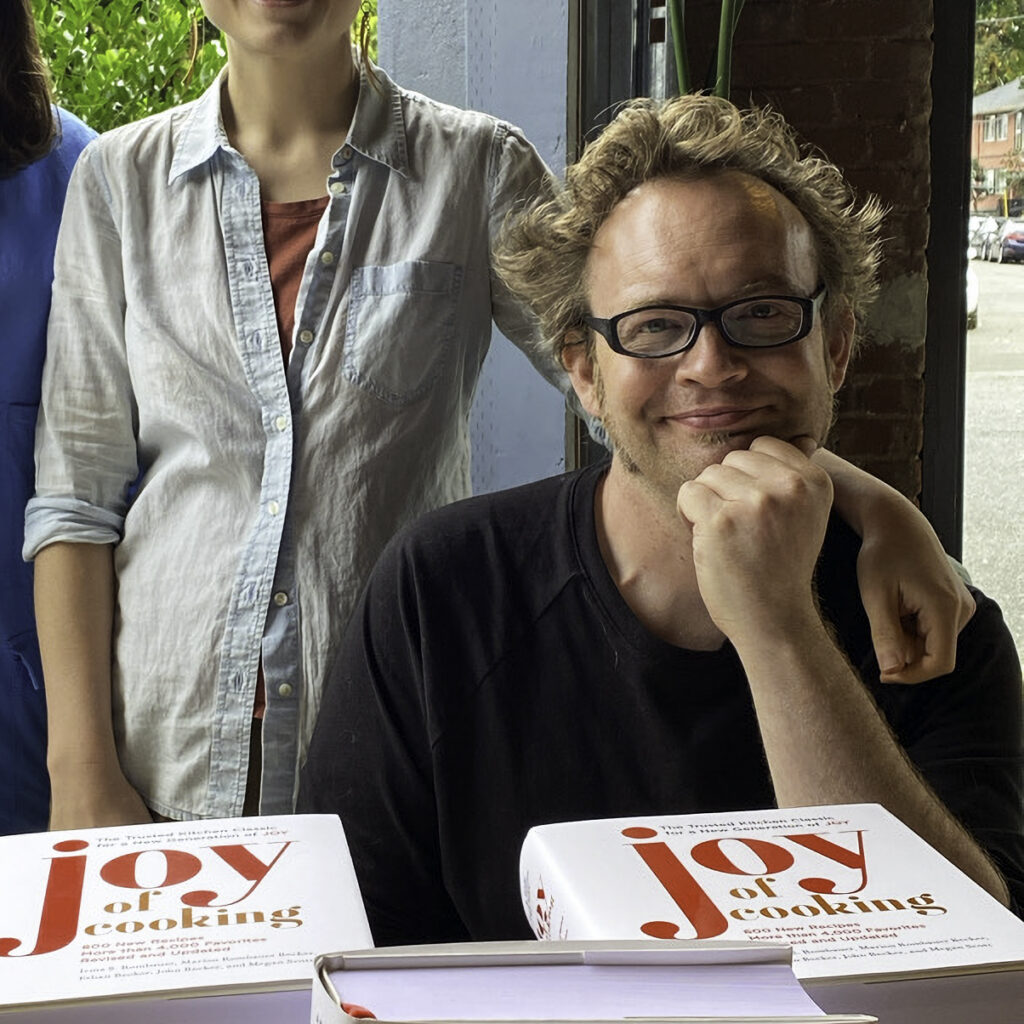
John Becker, Irma’s great-grandson, is the fourth generation co-author and steward of the Joy of Cooking. John has a background in literature, research, and critical writing. Influenced by his father Ethan’s improvisational style and his mother Joan’s love of international foods and spices, John started experimenting in the kitchen at a young age, whether in his mother’s Portland, Oregon condo or at the Becker family home in Cincinnati, Ohio. Many decades later, he continues to revisit Joy’s classic dishes while exploring new recipes, ingredients, and ways of thinking about home cooking.
Things that are true about John
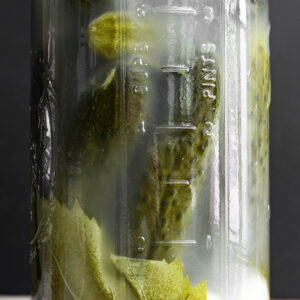
Six ingredients, minimal prep, patience, and an assist from lactic acid bacteria.
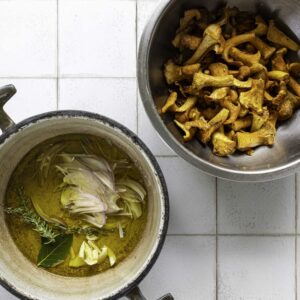
Bathe your shrooms in olive oil with garlic, shallots, and herbs.
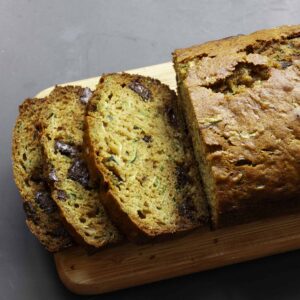
Worth making in its own right, even if your zucchini crop was a bust.