Chocolate Zucchini Bread
Worth making in its own right, even if your zucchini crop was a bust.

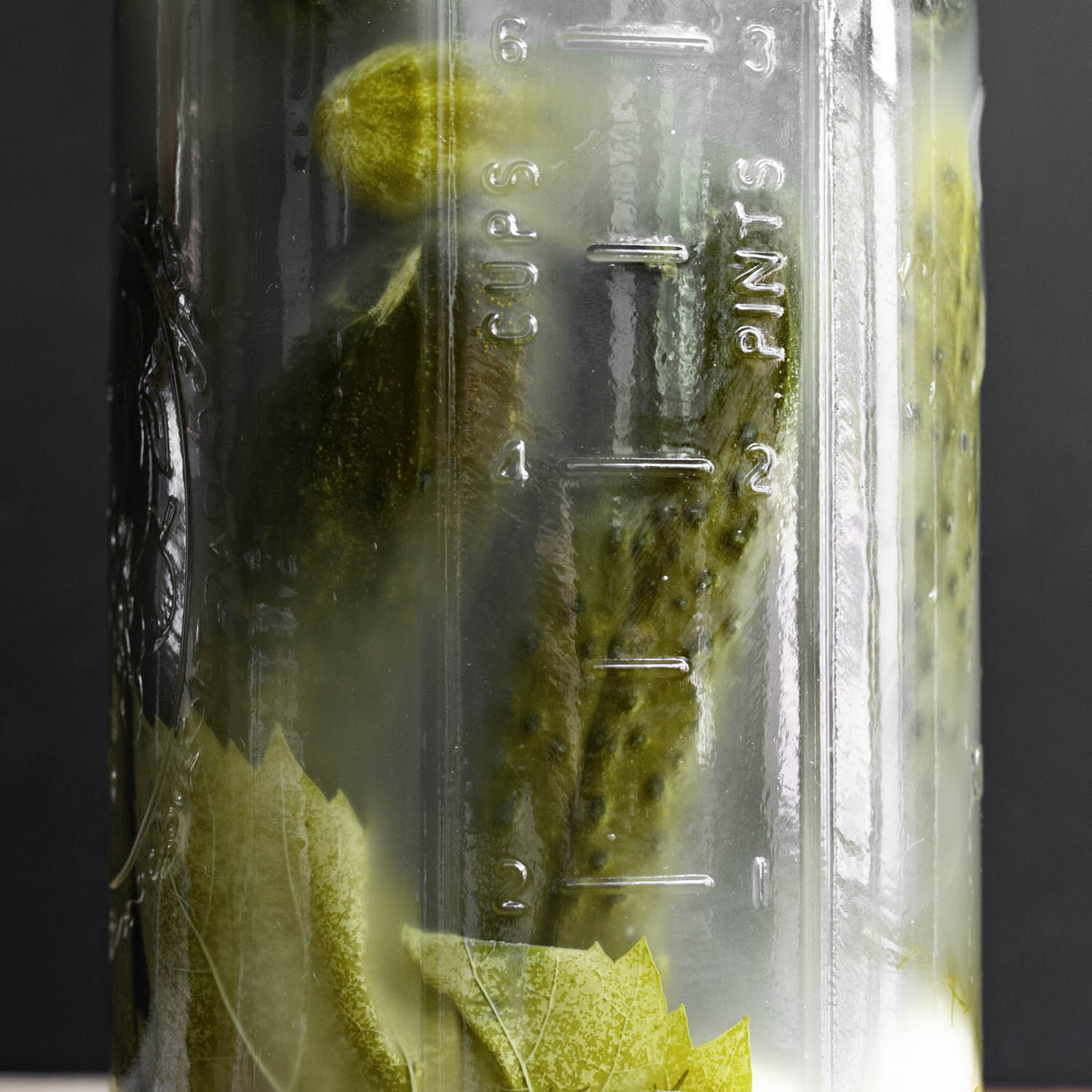
Making sour dills has been a part of our summer routine for over a decade now. When Kirby cukes of the perfect size show up (you know, the stubby and warty ones) we spring into action. I say “we” since both of us put up the pickles, but if I’m being honest, I’m usually the one to turn a casual run to the farmer’s market into an impulsive preserving frenzy.
Thankfully, the fallout from my impulsiveness is pretty low-stakes. Unlike turning a box of tomatoes into sauce or a flat of blackberries into jam, turning cucumbers into fermented pickles is super light on prep. The process couldn’t be easier if you have a few key pieces of equipment. Old-school crocks are great, but we’ve moved exclusively to half-gallon glass canning jars, a set of inexpensive airlocks, and some handy glass weights.
These tools are not strictly necessary, but the whole setup probably costs less than $30, and we have yet to replace anything after at least ten seasons of making these pickles, as well as countless batches of kraut and kimchi. There are fancier fermentation tools out there, but we have stuck with half-gallon mason jars for a few reasons. Unlike earthenware crocks, you can actually see what’s going on with your pickles—bubbles from fermentation, how the liquid looks, etc.—which makes it easier to tell when the process is nearly complete and it’s time to start taste-testing. When the pickles are ready, all you have to do is swap out the airlock lid with a normal canning lid and put them in the fridge. Plus, they’re cheap and easy to clean.
After years of making these pickles, our method has changed very little. We always slice the blossom end off of each cucumber to keep the pickles crisp. An enzyme is present there that leads to softer pickles. We used to add grape or oak leaves to the ferment to help promote crispness further (their tannins also discourage the enzymatic activity that softens pickles). After making several batches without the leaves, we decided they make little to no difference after the blossom ends have been cut and rarely use them anymore. (We added grape leaves to the batch pictured for good luck.)
For this ferment, we use a 3.5 percent brine. If you wish to scale this recipe for a smaller or larger batch, simply add enough 3.5 percent brine to cover the cucumbers. Use smallish pickling cucumbers for this ferment—they should be about four inches long (smaller is okay, but they will ferment faster, and need to be checked sooner). Try to use cucumbers that are all about the same size. If you have some smaller and some larger cucumbers, pack the smaller ones in at the top of the jar so you eat those first.
The most important thing to remember with pickles like this is that fermentation times are just a guideline. Your pickles may take longer than ours if your pickles are kept in a cool place (or sooner if your house is warm). Taste the cucumbers as they ferment. When you like the way they taste, they’re ready. You may prefer them to be quite sour, in which case you’ll be fermenting them for a longer period of time. If you like them less sour and a bit firmer, you won’t need to ferment as long. It’s all about preference.
One optional thing I’ve been doing for several summers: to infuse the fermenting liquid with more flavor, I simmer the smashed garlic cloves and peppercorns in a small saucepan with water to cover for 5 minutes, then strain them over a liquid measuring cup and divide between the jars. I then include the cooking liquid in the water I use to make the brine. It’s a tiny bit fussier, but a brief simmer really helps extract flavor from the peppercorns and garlic. Plus, cooking the garlic cloves softens them a bit, turning them into tasty morsels when you get to the bottom of the pickle jar (the fermenting process does little to alter the firm texture of raw garlic).


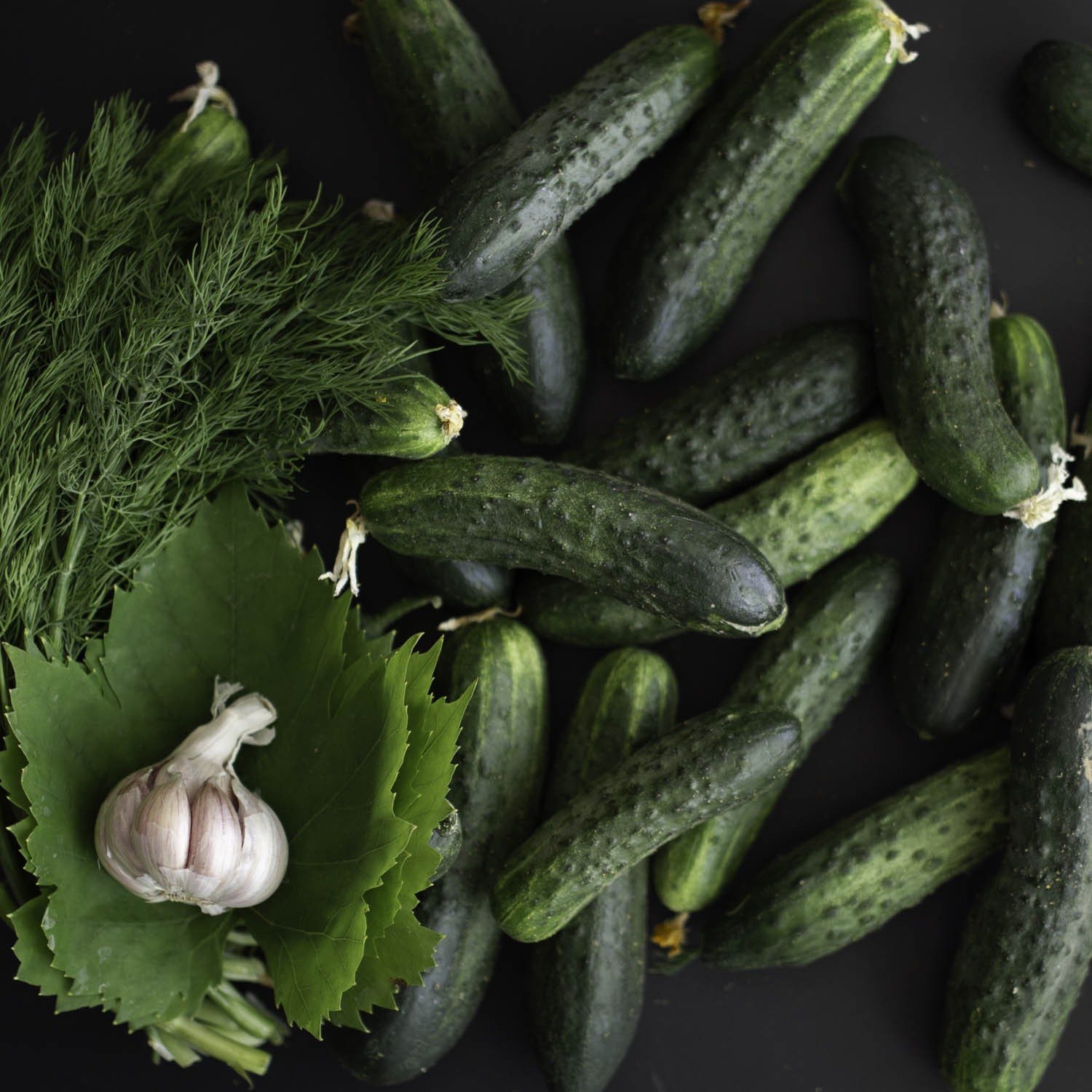
Clean and cut a 1/8-inch slice from the blossom end of:
4 pounds small to medium pickling cucumbers (about 4 inches long)
Stir together in a large bowl to dissolve the salt:
8 cups cool water
3 tablespoons plus 2 teaspoons pickling salt or fine salt, or 1/2 cup Diamond kosher salt (65g)
Divide between 2 sterilized half-gallon canning jars or place in the bottom of a crock:
Cloves from 2 heads garlic, lightly smashed
(10 grape leaves)
10 dill sprigs
2 teaspoons black peppercorns
If using jars, wedge the cucumbers into the jars tightly, starting with larger cucumbers and filling in with smaller ones. Wedge small cucumbers in at the top so that the curve of the jars holds them under the brine. (Alternatively, use glass fermentation weights.) Fill the jars with enough brine to cover the cucumbers completely. If using airlock lids, fill the airlock with water and screw on the lid. If using a crock, use a plate or a doubled zip-top bag filled with extra 3.5 percent brine to keep the cucumbers submerged, then cover the crock either with a lid or a piece of cloth tied tightly to keep out dust and flies. Depending on the size of the crock, you may need to make more brine to cover the cucumbers completely.
Check the progress of the fermentation daily. The brine will start to get cloudy and smell slightly sour, and the cucumbers will begin to soften and turn from a vibrant green color to an olive green. Taste the cucumbers as they ferment to judge their readiness. Half-sour pickles may be done in as few as 5 days, or they may take weeks depending on the ambient temperature.
When the pickles are as sour as you want them, they are done.
If you fermented the pickles in a mason jar with an airlock lid, simply swap it for a regular lid (plastic lids are best, as the brine can cause metal lids to rust). If using a crock, transfer pickles to sterilized jars. Screw lids on fingertip-tight, and keep in the back of the refrigerator. The pickles may also be kept in an especially cool pantry or cellar. Since the temperature might be slightly warmer than a refrigerator, keep in mind that this may increase their acidity and funkiness. To avoid contamination, always remove pickles from the jar with clean, dry tongs or a fork.
John Becker, Irma’s great-grandson, is the fourth generation co-author and steward of the Joy of Cooking. John has a background in literature, research, and critical writing. Influenced by his father Ethan’s improvisational style and his mother Joan’s love of international foods and spices, John started experimenting in the kitchen at a young age, whether in his mother’s Portland, Oregon condo or at the Becker family home in Cincinnati, Ohio. Many decades later, he continues to revisit Joy’s classic dishes while exploring new recipes, ingredients, and ways of thinking about home cooking.
Things that are true about John




Worth making in its own right, even if your zucchini crop was a bust.

All these spicy pickles take is a little patience and a few minutes to fry the Sichuan pepper, dried chiles,…
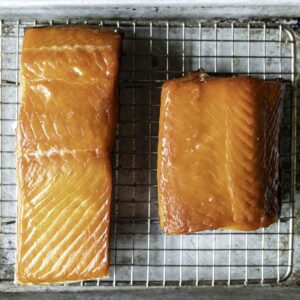
Lox steals the limelight, but hot-smoked salmon deserves its own obsessive following.
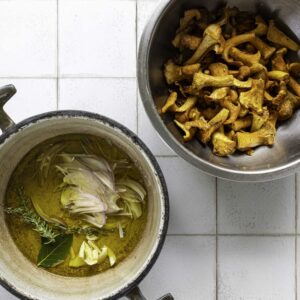
Bathe your shrooms in olive oil with garlic, shallots, and herbs.