All About Garlic
Ten types, hundreds of cultivars, one love: a primer for the garlic-curious.


My grandparents have kept a kitchen garden going well into their 80s. While they’ve scaled back on the variety and volume of crops they plant, my grandmother’s favorite, “October beans,” is non negotiable.
As a kid, I helped my grandmother and great-grandmother shell October beans, peeling back the waxy, pink-striped shells to reveal the glossy speckled beans inside. My grandmother scooped them into labeled and dated zip-top bags and piled them up in the freezer, aiming to set aside one bag of beans per week of the year. These are some of my dearest memories, and to this day I get the warm fuzzies when I shell any kind of bean, from peas to favas (okay, maybe not favas).
One thing my grandmother and I have in common is that we could eat stewed October beans (in Appalachia beans cooked this way are called “soup beans”) every day without tiring of them. While you can make soup beans with dried beans, the dish is particularly good with fresh October beans, as the broth is especially rich and the beans themselves become creamy. The texture is one I associate with luxury, but it’s just a pot of beans. How delightful is that?
As an adult, I learned that “October beans” are more broadly known as cranberry or borlotti beans (though “October beans” has such a nice ring to it that I’m sticking with that). October beans aren’t the only fresh shell bean, although they seem to be the most popular variety. Every bean can be enjoyed as a fresh shell bean, from black eyed peas to runner beans. It’s all about when you harvest them. Fresh shell beans sit between maturity and dehydration. Any younger, and you’d want to enjoy them pods and all like green beans or romano beans. Any older, and you’re looking at dried beans for storage.
Fresh shell beans sit right in the middle when it comes to cooking time, too. Unlike green beans, shell beans require longer cooking, but they don’t need as much time as dried beans. When I cook fresh shell beans (also called shelling beans or even shelly beans) the way my grandmother does—as soup beans—I simmer them slowly until the beans almost break down, creating a thick bean broth.
Most fresh shell beans should be braised for 30 to 45 minutes. October beans create a particularly luxurious broth, but the broth from any fresh shell bean will be delicious, so don’t treat it like an afterthought. Flavor it with sprigs of thyme, sage, and oregano, a halved onion, whole garlic cloves, a dried chile, bay leaves. Add some salt at the beginning of cooking—the beans won’t be as flavorful if you try to season them at the end—but use restraint until the beans are done, as the broth will reduce and thicken, concentrating any salt you add.
You’ll never go wrong pairing fresh shell beans with the rest of the market’s bounty at this time of year: sautéed Jimmy Nardellos and onions, tomato and cucumber salads, braised summer squash. You’ll want something bready to soak up the bean broth (I will always choose cornbread), or serve the beans with rice or polenta instead.
Most of all, I think I like fresh shell beans because they create a rare opportunity to get lost in thought—or in conversation with a loved one—while you shell them. It’s not hard to do, and so you can allow your mind to wander, free from distraction, while your hands go on autopilot. It’s a really great way to make memories and savor late summer.
Megan Scott is a food editor, writer, and recipe developer with over 15 years of wide-ranging experience in the culinary industry. She has been a cheesemaker’s apprentice, a bakery owner, a pastry chef at a fine dining restaurant, and a culinary director at a creative agency where she developed thousands of recipes for food brands. In 2019 she co-authored the ninth edition of Joy of Cooking, and she is the cohost of the Joy of Cooking Podcast. She lives in Portland, Oregon, with her husband and collaborator, John Becker, and their two cats, Loki and Lola.





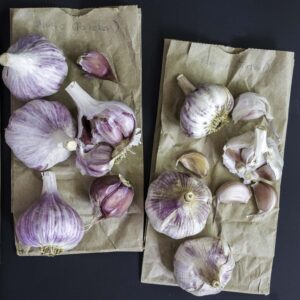
Ten types, hundreds of cultivars, one love: a primer for the garlic-curious.
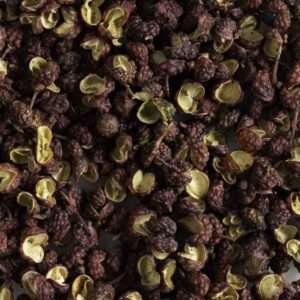
Taste the tingle, know the tingle, rejoice in the tingle.